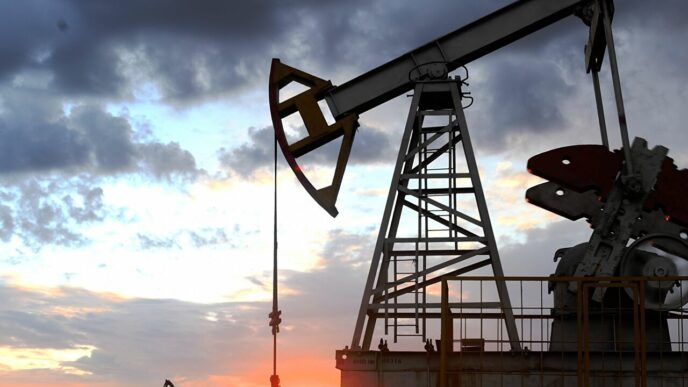
At African Energy Week 2026, the two oil majors presented investment programmes that combine tying new discoveries back to existing infrastructure, extending the life of mature fields and stepping up offshore exploration.
ExxonMobil and TotalEnergies highlighted a combined US$7 billion in investment in Angola’s upstream sector at African Energy Week (AEW) 2026, held in Cape Town, South Africa.
Presented at the Invest in Angolapanel, the investments include a programme of around US$4 billion by ExxonMobil to connect new resources to existing production infrastructure and extend asset life, as well as US$3 billion in additional investment by TotalEnergies and its partners. 
Both companies pointed to regulatory reforms, the use of existing infrastructure and the discovery of new resources as the factors sustaining continued investment in Angola.
ExxonMobil bets on asset recovery and exploration
Brian Unietis, President and Lead Country Manager of ExxonMobil in Angola, explained that the company is carrying out a tie-back programme worth US$4 billion, designed to connect new reservoirs to existing facilities, optimising production capacity and reducing the need to build entirely new infrastructure.
The strategy also includes extending the life of the floating production, storage and offloading units, known as FPSOs, which play a central role in Angola’s offshore operations.
In Block 15, ExxonMobil is continuing exploration work following the Vicango East-01 discovery announced in September 2026. The company is also drilling another exploration well and conducting a 4D seismic survey over the concession.
This technology makes it possible to track changes in the reservoir over time, contributing to a better understanding of the resources and to better-informed production decisions.
Combining exploration with the use of existing infrastructure aims to speed up the start of production from new resources and extend the contribution of operating assets.
TotalEnergies mobilises a further US$3 billion
TotalEnergies attributes part of its increased investment to changes in Angola’s regulatory framework, in particular the Incremental Production Decree, which created incentives to extend field life and encourage additional investment.
Martin Deffontaines, Managing Director and Country Chair of TotalEnergies in Angola, said during the event that the framework enabled the company and its partners to mobilise a further US$3 billion in investment.
The company also secured a 20-year extension for the Dalia field, one of the key assets in its portfolio in the country.
TotalEnergies currently operates six FPSOs in Angola, with a seventh unit under development. In September, it also announced the Acacia-5 discovery in Block 17 and its entry into two new exploration blocks, reinforcing its strategy of seeking resources close to existing infrastructure.
This approach could reduce development costs and speed up the tie-back of new discoveries to production facilities, provided the technical and economic conditions are favourable.
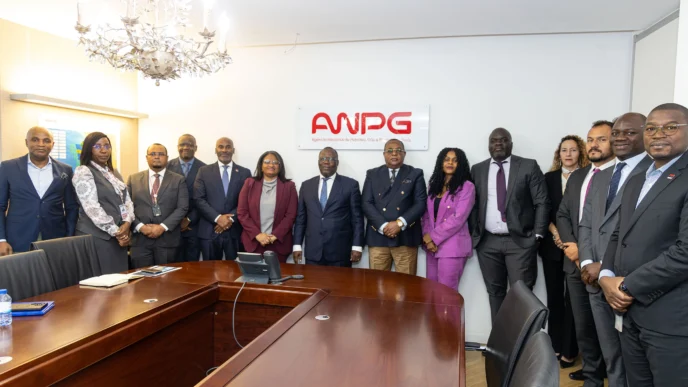
ANPG aims to accelerate exploration activity
The National Oil, Gas and Biofuels Agency (ANPG) intends to step up exploration activity under the 2025–2050 Hydrocarbons Strategy.
During the panel, Alcides Andrade, a member of the ANPG Board of Directors, set a target of drilling between 10 and 15 exploration wells per year, with the aim of strengthening reserves and promoting the commercialisation of discovered resources.
The strategy also includes developing natural gas and strengthening the competitiveness of the sector, without losing sight of the sustainability of operations and the development of national capacity.
The drilling target is an indicator of the country’s exploration ambition, but achieving it will depend on the operators’ programmes, the availability of capital and the geological results obtained.
Reforms and investment to sustain production
The ExxonMobil and TotalEnergies announcements reflect a growing trend in Angola’s oil sector: combining new discoveries with the use of existing assets.
With several offshore fields reaching maturity, connecting new reservoirs to operating infrastructure can help contain costs, extend production and make better use of investments already made.
However, the figures announced should not be read as an immediate increase in national production. The actual impact will depend on project timelines, the start-up of new resources and the performance of the fields